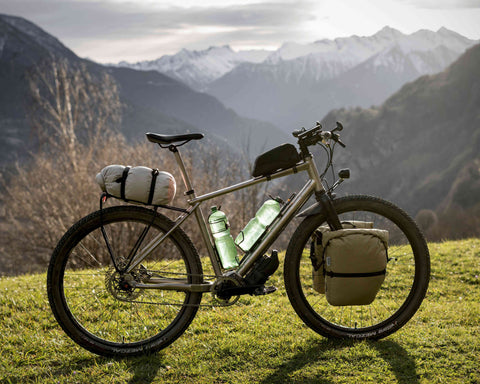
Light, smart, functional – the Y-Rack & MiniPannier by Speck Gear
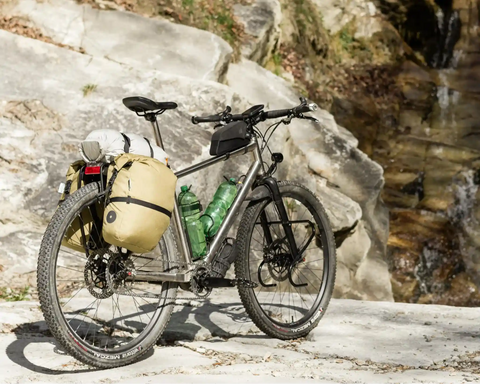
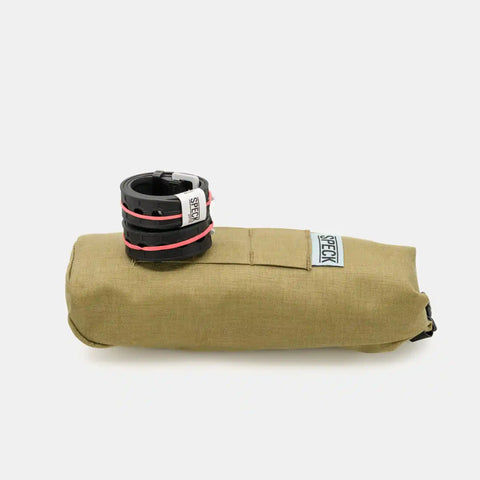
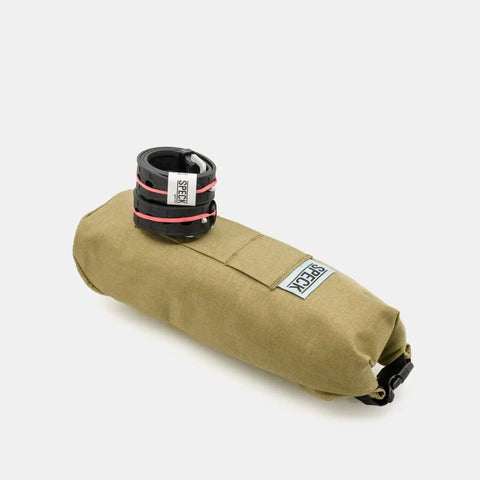
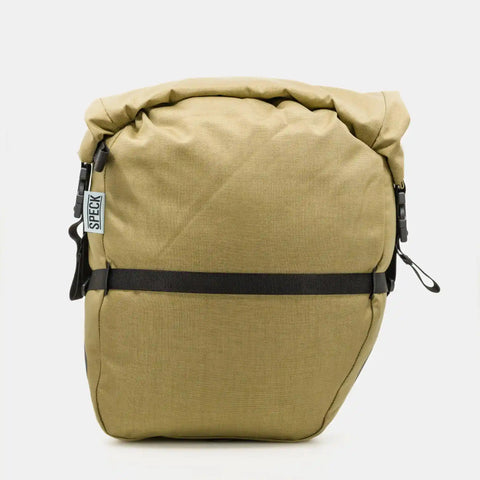
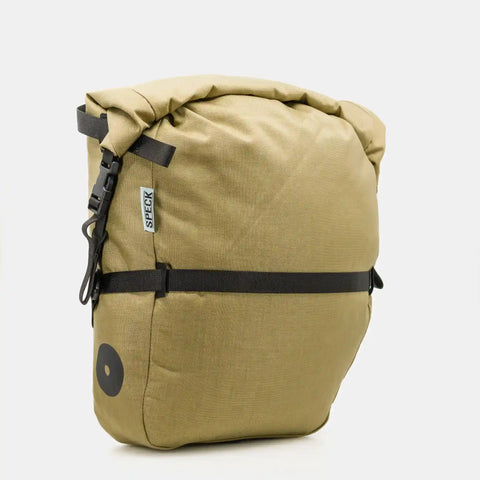
Speck Gear is a young Swiss brand from Soglio, founded by Christian Speck. With clever, minimalist design, he develops bikepacking and commuter solutions that are reduced to the essentials: robust, practical, and aesthetic. He started with 2 variants of ultra-light racks for gravel and road bikes, as well as the MiniPannier 11, compact side bags with surprisingly ample storage space. To ensure quality, Christian Speck controls the entire process chain for both the fabric and other materials.
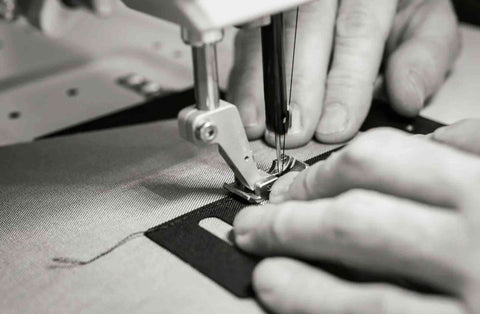
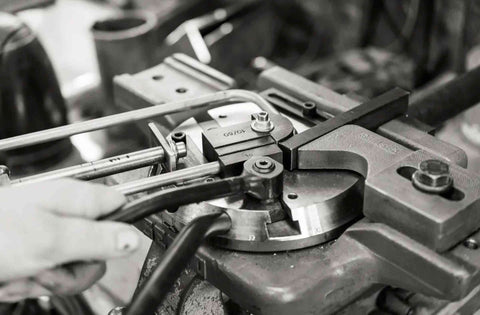
The racks are made in a small factory in Zurich from seamless, precision-drawn steel tubes. The fabric for the bags was developed in Germany according to his specifications from sustainable yarn and is hand-assembled and sewn in the Zurich Oberland.
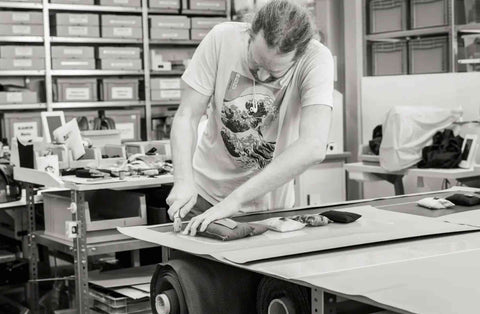
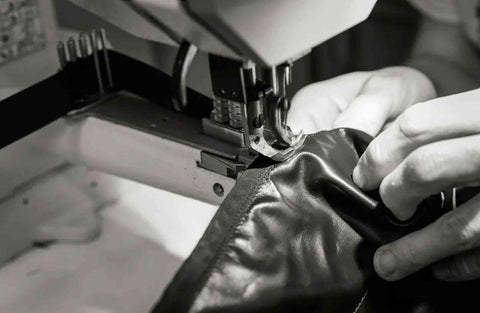
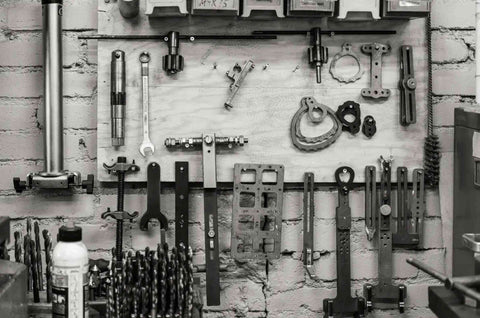
We met Christian Speck and conducted a short interview with him.
Christian, how did the idea for Speck Gear come about – was there a specific moment or a tour that sparked it?
The lack of alternatives that also work on gravel roads and singletrack trails was the reason for me to launch my own bikepacking line. Also, it was time to replace my panniers, which I had modified thirty years ago for a one-and-a-half-year bike trip through the Americas.
Your Y-Rack is super light and stable at the same time – how did you find the balance between weight, functionality, and durability?
It took several evolutionary stages and also some prototypes of the Y-Rack before I found the optimal balance between stability and lightness. My knowledge as a trained product designer was certainly an advantage here.
Who did you develop the MiniPannier 11 for – bikepackers, commuters, or both?
The Mini Panniers are practical and extremely sturdy bags that can be mounted and dismounted in a few seconds. Thanks to their timeless elegance, they can be used in nature, on expeditions, and also for commuting. They are the perfect companion for everyday life and travel.
What role does sustainability play in your production and material selection?
My most important criteria when selecting products are the quality of the raw materials and the production conditions. I would never use an inferior recycled product of dubious origin just because it is currently fashionable. I am firmly convinced that durability and repairability provide the greatest benefit for the customer and also for the environment. 99% of the materials used are manufactured in Europe. This is a major concern for me in terms of embodied energy and sustainability. Short supply chains and complete manufacturing in Switzerland characterize Speck Gear products. I know my suppliers personally and am in constant communication with them. This is important for both sides to ensure consistent product quality. I use materials with a high proportion of renewable raw materials and without harmful PFAS. Our 560 dtex outer fabric is made with Sensil® Thougtex by Nature. The yarn is produced entirely in Europe and woven and dyed in Germany for Speck Gear. At the end of the product's life, the individual parts can be easily separated and recycled, as they are neither welded nor glued.
What has been your biggest learning so far as the founder of an outdoor brand?
The entire issue of textiles, their origin, and current trends with complete production in China. Of course, there's also the question of how to source high-quality and innovative materials in small quantities. Technical outdoor materials are produced specifically for their intended uses and cannot be bought in small quantities. A minimum production run in the Far East quickly involves 1,000 running meters of fabric. Smaller quantities are of no interest to anyone. The biggest challenge was therefore to find a weaving mill that had its complete production in one location in Europe. Although Switzerland was a leader in textile manufacturing not so long ago, this industry has essentially died out. Equally demanding was the search for a sewing factory that could produce the bags in small series in the required quality. My perseverance paid off, and I am proud of my producers, who can manufacture high-quality, handmade products for Speck Gear at a market-appropriate price.
And finally: What products or further developments can we expect from Speck Gear in the future?
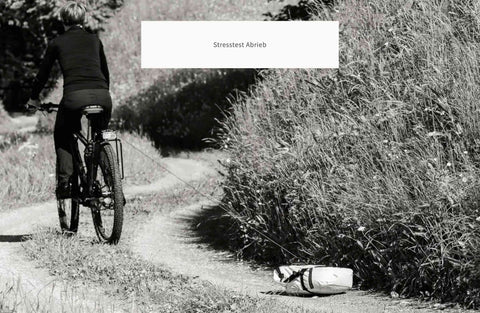
I am currently producing the MiniPanniers with a capacity of 16.5 liters. In spring, various rack bags, two stem bags, and a fork bag will follow. However, before final production, all my products are intensively tested in everyday life and on tours with the help of prototypes. Only when we are sure that all parameters are correct does the product come to market.
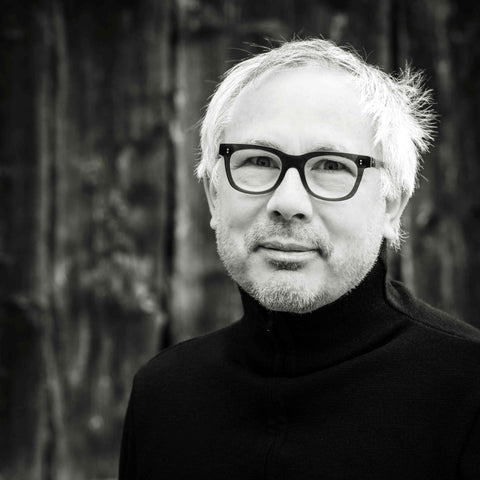
About Christian Speck
Christian Speck is the creative mind behind Speck Gear. As an interior architect and designer with 35 years of bikepacking experience, he consistently implements his ideas. The lack of alternatives led him to develop his own line. From 1994 to 1996, he and his wife cycled through North, Central, and South America—a formative experience. In his studio in Soglio in Bergell, he designs durable, minimalist objects that gain character over time.
Speck Gear at Batticuore
Unsere Brands